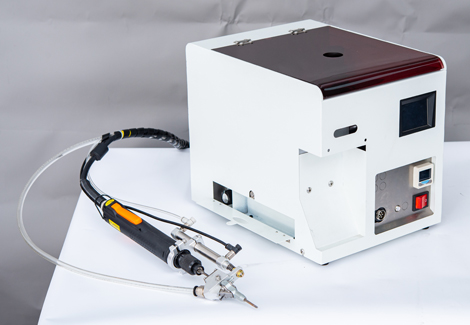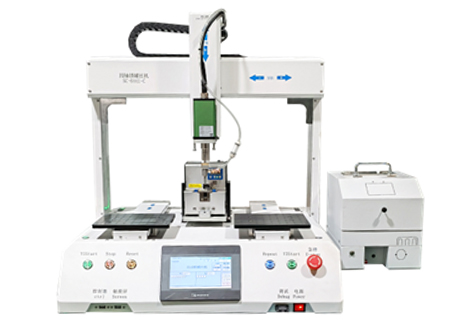

Automatic screw feeders usually jam because the screw, feeder mechanism, and tightening process are not properly matched. Common causes include inconsistent screw geometry, unsuitable screw length-to-diameter ratios, damaged threads, incorrect feeder settings, and unstable feeding paths.
A reliable automatic screwdriver feeder depends on three factors working together: the fastener design, the feeding system configuration, and the operating conditions. When these elements are optimized, an auto feeder screwdriver can achieve stable high-speed screw supply with minimal downtime. When they are not, problems such as screw jams, upside-down screws, double feeding, and missed pickups can occur.
Understanding why feeding failures happen is essential for selecting and operating an automatic feed screwdriver system efficiently.
Screw geometry has a direct impact on feeding stability. Automatic feeders are designed around specific fastener characteristics, and even small variations can affect performance.
Important screw parameters include:
The length and diameter relationship determines whether a screw can move smoothly through the feeding track.
Extremely short screws may fail to separate properly.
Very long screws may become unstable during transport.
Slender screws can tilt, overlap, or bridge inside the feeder.
A properly matched automatic screwdriver feeder requires screws with suitable dimensions to maintain consistent orientation and separation.
The screw head affects how the fastener interacts with the feeder rails and sorting mechanisms.
Potential issues include:
Oversized heads getting stuck in the track
Flat heads failing to align correctly
Uneven head thickness causing unstable positioning
For high-speed applications, screw head consistency is critical.
Thread features can influence friction and movement.
Problems may occur with:
Damaged threads
Excessive burrs
Poor surface coating
Mixed screw batches
A single defective screw can interrupt an entire feeding cycle.
Washer screws, captive screws, and flange screws require special feeder configurations because additional components change the center of gravity and movement behavior.
Before choosing an auto feeder screwdriver, manufacturers should confirm screw specifications, tolerance ranges, and feeding requirements.
Most screw feeder jams come from mechanical interaction problems rather than feeder failure itself. The most common causes include:
Mixed or inconsistent screw batches are one of the most frequent causes of unstable feeding.
Examples include:
Different screw lengths mixed together
Damaged fasteners
Incorrect screw type loaded into the feeder
Excessive oil or contamination on screws
Solution:
Use controlled screw supply and verify fastener quality before production.
Bowl feeders rely on controlled vibration to move and separate screws. Excessive or insufficient vibration can create feeding problems.
Too much vibration may cause:
Screws jumping over each other
Upside-down orientation
Multiple screws entering the track
Too little vibration may cause:
Slow feeding
Screw accumulation
Incomplete movement
Adjusting feeder parameters according to screw characteristics is essential.
The feeding track must match the screw head diameter and body size.
Incorrect adjustment can cause:
Screws falling sideways
Screw heads getting trapped
Unstable alignment before pickup
A professional automatic screwdriver feeder system should allow precise mechanical adjustment for different screw specifications.
Lightweight screws, especially small electronic fasteners, can be affected by static electricity.
Possible results include:
Screws sticking together
Screws failing to slide normally
Unstable separation
Anti-static treatment and proper material selection can improve feeding reliability.
Upside-down screws usually occur when the sorting mechanism cannot correctly identify screw orientation.
Common reasons include:
Screw head and body dimensions are too similar
Screw shape is unsuitable for bowl sorting
Feeding speed is too high
Track settings are incorrect
The solution may involve feeder redesign rather than simply increasing vibration speed.
Yes, but different fasteners require different feeding strategies. A standard feeder setup may not perform well when switching between different screw designs.
Short screws are challenging because they have limited surface area for stable movement.
Common problems:
Difficult separation
Multiple screws entering together
Poor pickup accuracy
Solutions include:
Reducing feeding speed
Using precision rails
Adding customized sorting mechanisms
Improving pickup positioning
Washer screws introduce additional weight distribution and larger contact surfaces.
Possible issues:
Washer interference during sorting
Increased friction
Screw overlap
Solutions include:
Customized bowl tracks
Adjustable guide rails
Optimized vibration settings
Examples include:
Captive screws
Shoulder screws
Self-tapping screws
Non-standard head designs
These fasteners often require customized feeding solutions because their geometry differs from standard machine screws.
For complex fasteners, selecting an automatic screwdriver feeder designed around the actual screw type is more effective than forcing a standard feeder configuration.
The correct approach depends on the cause of the problem. Not every jam requires a new feeder system, but repeated failures may indicate that the current feeding method is unsuitable.
Feeder adjustment can solve problems caused by:
Incorrect vibration settings
Poor guide rail positioning
Improper air pressure
Incorrect pickup height
Minor screw tolerance changes
Typical adjustments include:
Modifying vibration frequency
Adjusting separation mechanisms
Cleaning feeding tracks
Optimizing screwdriver alignment
A different feeding method may be required when:
Screw geometry is difficult to handle
Production speed exceeds feeder capability
Screw orientation is unstable
Manual loading remains necessary
Possible alternatives include:
Customized bowl feeders
Linear feeding systems
Vacuum pickup systems
Handheld automatic feeding solutions
A complete automatic screwdriver feeder solution should be selected based on production requirements rather than only initial equipment cost.
A handheld automatic feed screwdriver is often preferred when flexibility and operator mobility are more important than fully fixed automation.
Compared with bowl-only feeding systems, handheld automatic feeding provides advantages such as:
For products with multiple screw positions or changing assembly directions, handheld systems allow operators to reach different fastening points efficiently.
For medium-volume production, a handheld auto feeder screwdriver can provide automation benefits without requiring a complete robotic workstation.
When manufacturers produce multiple models with different screw locations, handheld systems reduce setup time.
Large, irregular, or manually assembled products often benefit from handheld feeding because operators can position the screwdriver directly.
Bowl-only automatic feed screwdriver systems are ideal for fixed, high-volume production. Handheld solutions are better suited for flexible assembly environments.
Double feeding usually occurs because of incorrect separation settings, excessive vibration, inconsistent screw dimensions, or improper track adjustment. Check screw quality and feeder calibration before changing hardware.
Some systems support multiple screw sizes, but performance depends on the size difference and feeder design. Large changes in screw diameter, length, or head style may require different tooling or feeder adjustments.
Upside-down screws occur when the sorting mechanism cannot correctly separate screw orientation. The solution may involve adjusting the feeder track or redesigning the sorting system for the specific fastener.
The most challenging screws are usually very short screws, extremely long screws, lightweight screws, washer screws, and non-standard fasteners. These require specialized feeding solutions.
An automatic feed screwdriver improves productivity, reduces operator fatigue, and provides more consistent screw handling. It is especially beneficial for high-volume production where fastening speed and quality control are important.
Automatic screw feeder jams are rarely caused by a single mechanical problem. In most cases, feeding reliability depends on matching screw geometry, feeder design, and production requirements.
A properly configured automatic screwdriver feeder, auto feeder screwdriver, or automatic feed screwdriver can significantly improve assembly efficiency by providing stable screw supply, reducing downtime, and maintaining consistent fastening quality.
For manufacturers dealing with frequent jams, the most effective solution is not simply increasing feeder speed. It is analyzing the complete feeding process—from screw design and sorting method to pickup operation—and selecting a system engineered for the actual production environment.