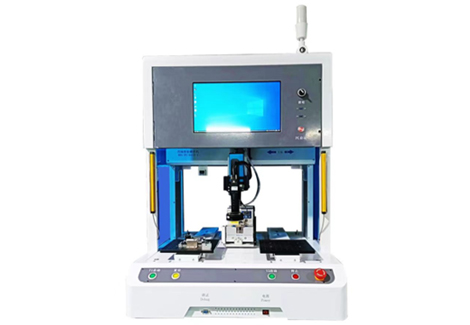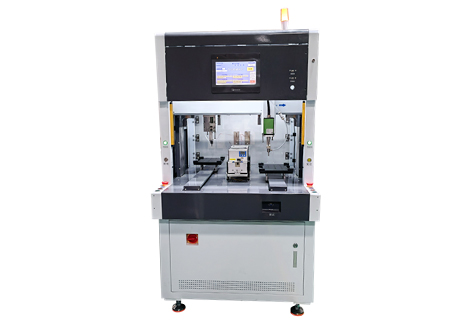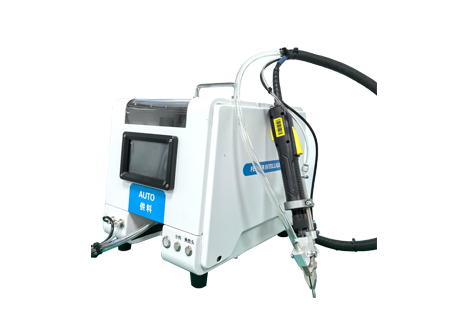

In modern assembly processes, the Handheld Screw Fastening Tool has become an indispensable instrument for ensuring both speed and accuracy. Unlike traditional manual tools, this device combines precision engineering with automation-friendly design, making it suitable for industries where quality and consistency are critical. Whether used in electronics manufacturing, automotive assembly, or household appliance production, the tool provides workers with greater efficiency while minimizing fatigue. Its ability to adapt to different screw types and sizes makes it an essential asset for companies seeking to improve throughput and reduce error rates in fastening tasks.
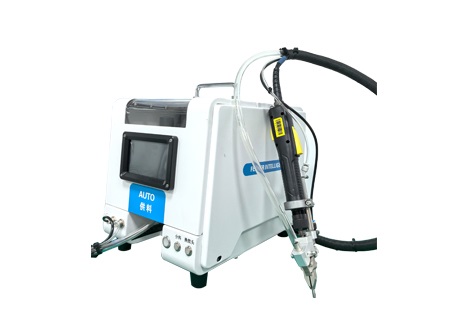
Dongguan Kingdom Machine Technology Co., Ltd., based in Songshan Lake, Dongguan, has developed advanced handheld solutions that reflect more than a decade of expertise in intelligent fastening technology. The company's tools are engineered with a focus on high precision and ergonomic design, ensuring that workers can operate them comfortably over long periods without sacrificing accuracy. By using Kingdom's handheld screw fastening tool, manufacturers not only achieve reliable results but also experience productivity gains of over 30%, reducing costly rework and enhancing overall output.
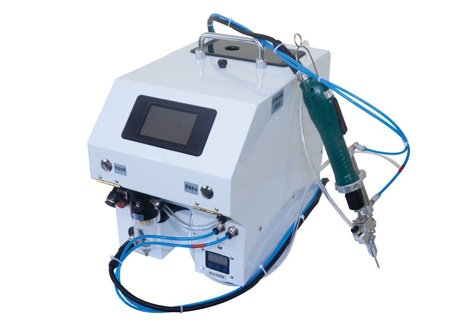
To understand the real value of adopting a handheld screw fastening tool, it is important to compare it with conventional screwdrivers. The differences highlight how industrial-grade handheld tools contribute to smarter, safer, and more efficient operations.
Aspect | Handheld Screw Fastening Tool | Traditional Screwdriver |
Accuracy | Ensures consistent torque and positioning | Dependent on operator skill |
Efficiency | Increases fastening speed significantly | Slower process, manual effort required |
Error Prevention | Smart detection reduces defects | Higher chance of misaligned or loose screws |
Ergonomics | Designed for reduced fatigue and repetitive strain | Greater risk of hand and wrist injuries |
Industrial Suitability | Ideal for electronics, automotive, and appliances | Limited for small-scale manual work |
This comparison clearly demonstrates why industries are replacing traditional tools with handheld screw fastening solutions that provide both reliability and long-term performance benefits.
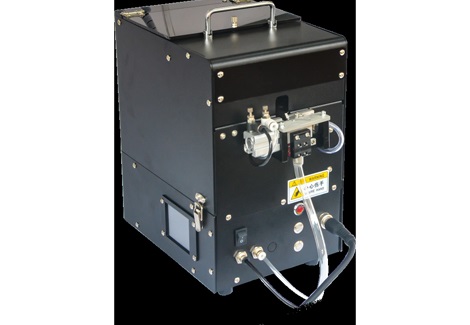
Although the handheld screw fastening tool is designed to simplify work, correct usage is vital to maximize its benefits. Operators should ensure that the tool is aligned with the screw before fastening begins, as even slight misalignment may affect the overall integrity of the product. It is also important to regularly inspect and maintain the tool to prevent wear that could impact accuracy. Kingdom's solutions include features that support real-time monitoring, helping manufacturers detect issues before they escalate. Proper training for workers is another crucial aspect, since familiarizing them with the tool's functionality ensures smoother integration into the production line and prolongs the tool's service life.
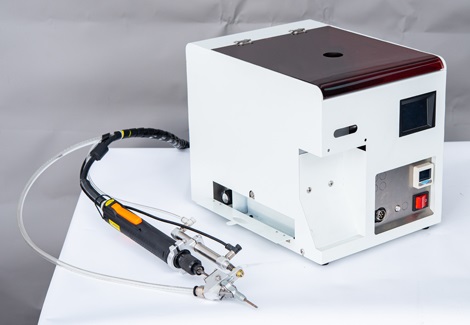
Routine Maintenance of Equipment (also known as Daily Servicing)
Routine maintenance can be summarized as"cleaning, lubrication, adjustment, tightening, and anti-corrosion", also referred to as the “cross-operation method.” Both the interior and exterior of the equipment must be cleaned. All lubricated surfaces, such as guide rails, screw rods, and polished rods, must be free from oil stains and surface irregularities. All components must be free from oil, water, and gas leaks. Metal chips and debris must be thoroughly removed.
Lubrication Requirements
The lubrication surfaces and lubrication points of the equipment must be oiled and refueled on schedule. The quality of the lubricant must meet the required standards. Oil cans, oil cups, and oil guns should be complete; felt pads and oil pipes must be clean; oil windows and oil traces must be clear and visible; and oil passages must remain unobstructed. The moving parts and associated components of the equipment should be adjusted regularly to ensure proper fit between components—neither loose nor slack—thus maintaining the original specified precision and installation standards of the equipment.
Fastening and Anti-Corrosion Measures
Equipment maintenance also requires fastening. Parts and joints that require fastening and connection should be inspected frequently, and any looseness detected must be tightened promptly to ensure safe operation. For equipment parts in contact with various chemical media, both internal and external, regular rust removal, painting, and other anti-corrosion treatments should be carried out to improve corrosion resistance and extend the service life of the equipment.