
Transitioning from manual screwdriving to automated assembly systems is increasingly vital for manufacturers aiming to achieve consistent quality, boost productivity, and ensure reliable assemblies. The competitive labor market has made it challenging to secure skilled technicians and operators, with recent trends highlighting a decline in available talent. Industry insights, such as those from a 2023 manufacturing outlook, emphasize technology and talent as critical focus areas for growth. While talent management remains essential, investing in automated screwdriving and feeding technologies offers a strategic advantage for long-term success. This blog explores the key considerations for moving from manual to fully automated screwdriving operations to optimize assembly lines.
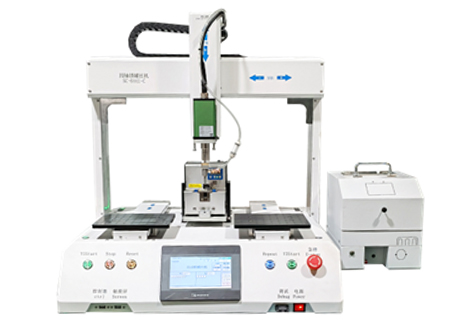
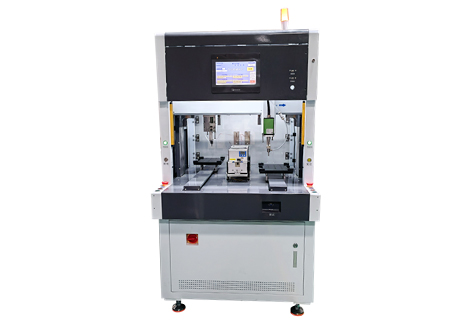
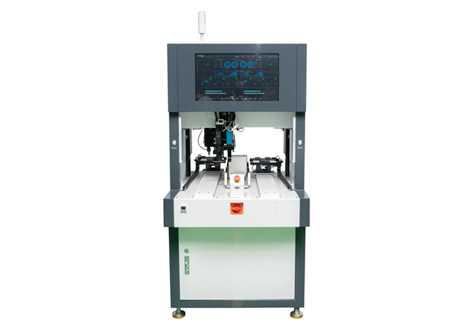
In manufacturing, achieving maximum speed, energy, and precision in screwdriving assembly operations translates to optimizing cycle times for accuracy, speed, and repeatability. While skilled operators can deliver high-quality products, manual screwdriving systems present several challenges. The scarcity of operators drives up hiring costs, making it expensive to meet production demands while maintaining productivity. Additionally, demanding assembly specifications can lead to operator fatigue, reducing accuracy and increasing error rates throughout shifts. For processes with product liability concerns, manual screwdriving may require extra validation steps to ensure compliance, adding complexity. Using hand-loaded screws with off-the-shelf screwdrivers often compromises accuracy and repeatability. Kingdom's Industrial-Grade Benchtop Screwdriving System address these issues by maximizing throughput and incorporating in-process validation for each driving operation, ensuring consistent and reliable results.
Automated screwdriving is ideal for any assembly process requiring automatic feeding and precise driving of fasteners to specific torque and depth settings. Kingdom offers tailored feeding solutions compatible with both fixtured and handheld screwdrivers, designed to meet the unique needs of each application. The modular design of Kingdom's screwdrivers and feeders allows for flexible system configurations, ensuring a perfect fit for specific requirements. Technologies like Feed While You Drive enable the fastest cycle times, while quick tool changes support multiple driving applications within a single assembly cell. A process controller oversees all screwdriving parameters, using an analog depth sensor to verify proper fastener seating, complemented by highly accurate torque and angle measurements for real-time validation. With Kingdom's startup assistance, these systems can be quickly implemented and fine-tuned to deliver robust, reliable, and repeatable screwdriving performance.
Kingdom is globally recognized for designing and building highly efficient, accurate, and adaptable automated screwdriving systems. Whether the goal is to automate specific aspects of screwdriving operations or implement a fully automated, dependable solution, Kingdom's technology delivers exceptional return on investment and consistent performance over time. Their expertise ensures that manufacturers can confidently transition to automation, achieving optimal results tailored to their assembly needs and fostering long-term operational success.