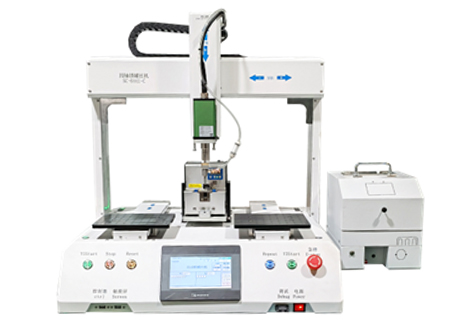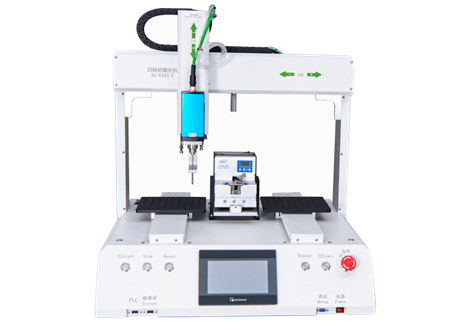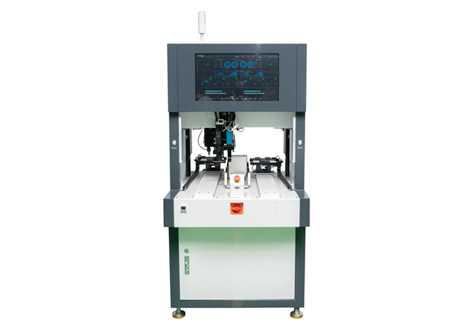

Shifting from a manual screwdriving process to an automated screwdriving operation is a complex task that requires careful consideration. Manual screwdriving relies heavily on operators who instinctively detect and correct errors during assembly, capabilities that are not easily replicated by automation. Simply introducing a robot with a screwdriver end-of-arm tool into the workcell is insufficient, as the entire assembly process may need a comprehensive overhaul. This could involve redesigning parts, pallets, fastening techniques, and error-proofing mechanisms to ensure a quality automated solution. Kingdom often advises customers that what may seem like a straightforward conversion is far broader in scope than initially anticipated. Despite these challenges, the transition is achievable with the right approach and planning.
When automation was not part of the original assembly design, converting to an automated screwdriving workcell requires a thorough review of every element in the process. For example, in manual operations involving large plastic assemblies like dashboard parts, operators typically manipulate components to ensure proper alignment before driving screws. In an automated system, these peripheral tasks must be integrated into the process, extending the scope beyond merely feeding, positioning, and driving screws. Key considerations include how the robot navigates as parts enter and exit the station, the intended path of the robot and screwdriver on the automated line, the need for additional fixtures to align and secure parts, and the specific actions operators currently perform to ensure screws are seated correctly and meet specifications. By understanding these constraints and potential product liability issues, Kingdom can design a tailored system using modular screwdriving solutions and process controllers to meet the operation's needs.
Kingdom simplifies the transition to automated screwdriving by adopting a holistic perspective that evaluates the entire assembly process. While vision systems can assist in locating holes for each assembly, they may increase cycle times, potentially impacting efficiency. To enhance Overall Equipment Effectiveness (OEE), Kingdom may recommend redesigning parts to adjust tolerances and dimensions for better manufacturability. This redesign could extend to the pallet system, fixturing used on the assembly line, and the implementation of process controls to minimize product liability risks. Engaging Kingdom's experts early in the process ensures a smoother conversion. They provide guidance on creating automation-friendly pallets, redesigning fixtures for improved stability, selecting process controllers to error-proof the operation, adjusting tolerances and clearances to accommodate automated screwdrivers, and determining the optimal configuration of feed technology, automated screwdrivers, and process controllers to achieve the desired return on investment.
As labor shortages continue to challenge manufacturers, transitioning from manual to automated screwdriving operations is becoming increasingly essential. To ensure success, it is critical to involve experts early in the planning phase, before defining the project scope, allocating budgets, or ordering equipment. Kingdom's expertise helps manufacturers avoid common pitfalls by clearly defining the project's true scope and requirements. By partnering with Kingdom, companies can confidently navigate the complexities of screwdriving automation, ensuring a successful transition to automated systems that enhance efficiency and reliability for even the most challenging assemblies.