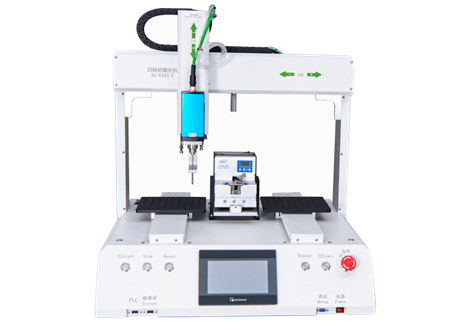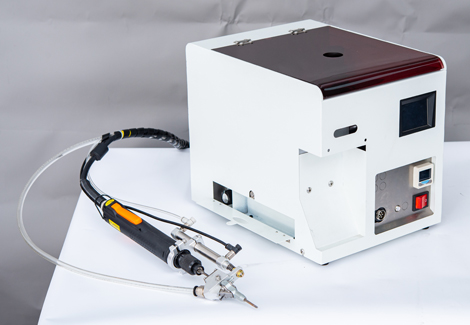

Parts feeding is a critical component of many manufacturing processes, encompassing not only screws and nuts but also various other components. The primary goal of a feeding solution is to organize fasteners into a single-file line, ensuring they are individually delivered to the screwdriver in an orderly manner. This process, known as singulation, prevents the inefficiency of sending a disorganized pile of screws to the assembly tool. Two primary feeding methodologies exist: step feeders and bowl feeders. Each offers distinct advantages, and understanding their differences can help determine the best fit for specific production needs. Kingdom's feeding solutions are designed with unique features that enhance performance and reliability compared to competitors.
Step feeders provide several benefits over bowl feeders, making them a preferred choice in many applications. They operate with minimal noise, often eliminating the need for sound enclosures, which creates a quieter and more comfortable working environment. Additionally, step feeders offer ample space for integrating advanced features such as cameras and color detection systems, enabling precise handling of various fastener types. They are particularly effective for managing screws of different lengths, as they can incorporate length detection capabilities to accommodate a wide range of fastener sizes. Unlike bowl feeders, where screws continuously circulate, step feeders feed only the necessary amount of screws onto a vibrating linear track. This reduces agitation and minimizes wear on the fasteners, preserving their integrity and finish. As a result, screws processed through step feeders typically maintain better condition compared to those from bowl feeders, especially for coated or painted screws that might otherwise lose their finish due to prolonged exposure in a bowl.
Bowl feeders, while sometimes less costly, excel in handling screws with sharp, pointy, or aggressive threads, such as wood screws or coarse-threaded fasteners. These types of screws can occasionally get caught in step feeders, making bowl feeders a better choice for such applications. The decision between a step feeder and a bowl feeder often depends on the screw's characteristics. For instance, screws with aggressive threads or high durability requirements are better suited for bowl feeders, while machined thread screws or bolts are more compatible with step feeding solutions. By carefully evaluating the screw's design and requirements, manufacturers can select the most appropriate feeding system to optimize performance and efficiency.
Kingdom's feeding solutions stand out due to their meticulous design and robust support systems. Every feeder undergoes rigorous testing before leaving the facility, and each component is fully blueprinted, ensuring that spare parts fit perfectly and function as intended. Unlike some competitors' feeders, which may rely on handcrafted or adjusted components that are difficult to replace, Kingdom avoids such practices to ensure long-term reliability and ease of maintenance. All adjustable settings are thoroughly documented, and detailed records, including measurements, photos, and videos, are maintained for reference. This allows Kingdom's service team to quickly provide accurate guidance if a customer inadvertently misadjusts a feeder, minimizing downtime. Customers benefit from this comprehensive support, which includes immediate access to precise measurements and visual references of the feeder's original configuration. Kingdom takes pride in its expertise in feeder manufacturing, consistently earning high praise for its advanced feeding technology and commitment to customer success.